
Next-Generation Biomaterials
Advanced Antimicrobial Peptides
Advancing Infection Control with Next-Generation Antimicrobial Peptides
At Promecens, we have developed and characterized two proprietary antimicrobial peptides (AMPs) that demonstrate 99.9% efficacy against multidrug-resistant pathogens, including Methicillin-Resistant Staphylococcus aureus (MRSA) and Pseudomonas aeruginosa. Our scientifically optimized AMPs offer a groundbreaking approach to antimicrobial resistance (AMR) mitigation, providing safe, effective, and sustainable alternatives to traditional antibiotics and chemical preservatives.
As global concerns regarding antibiotic resistance, microbial contamination, and environmental sustainability continue to rise, our bioengineered AMPs serve as a transformative solution in healthcare, biopharmaceuticals, cosmetics, food safety, and sustainable packaging. These biocompatible, biodegradable, and highly stable peptides enable a wide range of clinical, commercial, and industrial applications.
Antimicrobial Science
Understanding Antimicrobial Peptides: Structure & Mechanism of Action
Antimicrobial peptides (AMPs) are naturally occurring, small protein molecules that play a fundamental role in the innate immune system of various organisms. Unlike traditional antibiotics, which disrupt specific bacterial metabolic pathways, AMPs directly target microbial membranes, making them highly effective against antibiotic-resistant pathogens.
Molecular Structure & Functional Mechanism
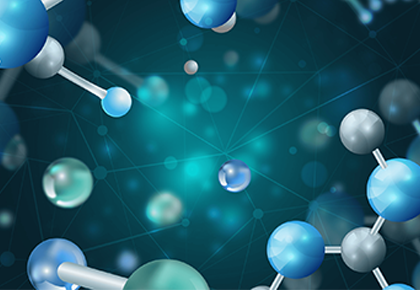
Cationic & Amphipathic Properties
- AMPs are positively charged, enabling strong electrostatic attraction to the negatively charged bacterial membranes.
- Their amphipathic structure (having both hydrophilic and hydrophobic regions) allows for rapid insertion into lipid bilayers.
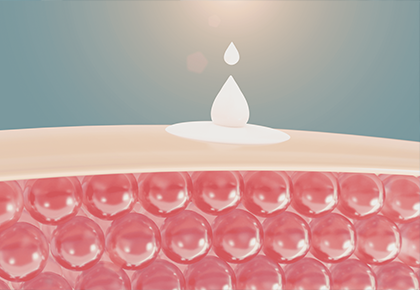
Membrane Disruption via Pore Formation
- Upon interaction with bacterial membranes, AMPs create nanopores or micelles, leading to cytoplasmic leakage, membrane depolarization, and bacterial cell lysis.
- Unlike antibiotics, which target intracellular mechanisms, AMPs physically damage bacterial structures, reducing the likelihood of resistance development.

Broad-Spectrum Activity Against Drug-Resistant Pathogens
- Effective against Gram-positive, Gram-negative, fungal, and biofilm-forming bacteria.
- Inhibits quorum sensing, preventing bacterial communication and biofilm formation.
These unique mechanistic properties position AMPs as an essential alternative to conventional Antibiotics, Preservatives, and Antimicrobial Coatings.
AMP Performance
Key Features of Promecens’ Proprietary AMPs
Comparative Analysis
How Promecens’ AMPs Outperform Traditional Antimicrobials
| # | Feature | Promecens’ Proprietary AMPs | Traditional Antibiotics & Antimicrobials |
|---|---|---|---|
| 1 | Target Mechanism | Membrane disruption (difficult for bacteria to resist) | Enzyme inhibition or metabolic interference (high mutation rates) |
| 2 | Resistance Development | Extremely low resistance potential | High resistance rates, leading to antimicrobial resistance (AMR) |
| 3 | Efficacy Against MDR Pathogens | 99.9% effective against MRSA & Pseudomonas | Decreasing efficacy due to emerging resistance |
| 4 | Biodegradability | Fully biodegradable, environmentally safe | Persistent, leading to ecological contamination |
| 5 | Cytotoxicity | Non-toxic to human cells (> 95% biocompatibility) | Potential cytotoxicity, allergic reactions, and side effects |
| 6 | Application Versatility | Cosmetics, Pharmaceuticals, Food, Biomedicine | Limited to pharmaceuticals or chemical preservatives |
These advantages make Promecens’ AMPs a next-generation alternative for controlling antibiotic-resistant infections while promoting clean, sustainable antimicrobial solutions.
Applications & Impact
Industrial Applications of Promecens’ Antimicrobial Peptides
-
 Healthcare & Biopharmaceuticals
-
 Cosmetics & Dermatological Care
-
 Sustainable Food Packaging & Preservation
-
 Industrial & Environmental Biotechnology
- Wound Care Dressings & Advanced Biomaterials: AMPs prevent infection, accelerate wound healing, and reduce inflammation.
- Implant & Medical Device Coatings: Reduces post-surgical infections in catheters, prosthetics, and orthopedic implants.
- Alternatives to Antibiotics: AMPs can replace antibiotics in chronic wound care, diabetic ulcer management, and hospital sanitation.
- Acne Treatment Formulations: Targets Cutibacterium acnes, responsible for acne, inflammation, and skin irritation.
- Natural Preservative Replacement: Eliminates the need for parabens and synthetic preservatives in clean beauty formulations.
- Anti-Aging & Skin Barrier Repair: Promotes collagen synthesis and prevents oxidative stress.
- Biodegradable Food Packaging Films: Provides antimicrobial coatings for extended shelf life.
- Natural Food Preservative: Inhibits spoilage-causing bacteria and fungi, reducing food waste.
- Agricultural Biocontrol Agents: Replaces chemical pesticides with natural, peptide-based pathogen inhibitors.
- Water Purification & Biofilm Control: Used in filtration systems and industrial water treatment to prevent bacterial contamination.
- Antimicrobial Textile Coatings: Integrated into smart fabrics, hospital linens, and personal protective equipment (PPE).
- Public Health & Disinfection Solutions: Applied in self-sanitizing surfaces for hospitals, laboratories, and food processing facilities.
Advanced AMPs Grades
Access Next-Generation AMPs from Promecens
Our next-generation antimicrobial peptide (AMP) platform offers versatile opportunities across healthcare, cosmetics, food safety, industrial biotechnology, and medical applications. By collaborating with researchers, innovators, and industry partners, we aim to translate AMP science into scalable solutions that address antimicrobial resistance, improve safety, and enable more sustainable technologies.
Expanding the Potential of AMP Technology
Biopharmaceutical Development
Advancing AMP-based therapeutics for resistant infections.
Food Safety & Packaging
Innovating antimicrobial coatings for biodegradable packaging.
Cosmetics & Skincare
Developing preservative-free skincare and acne treatments.
Medical Device Integration
Improving infection-resistant implants and wound care.
Industrial Biotech
Expanding AMPs into water sanitation and smart materials.